


Tendon injuries in horses
Causes, symptoms, healing and treatment.
Tendon injuries are one of the most common causes of prolonged rehabilitation in horses, and recovery depends not only on the injury itself, but on how the tendon rebuilds during healing.
What causes tendon injuries in horses
Tendon injuries occur when the load placed on the tendon exceeds its capacity to tolerate strain.
This may result from repetitive loading over time, sudden overload during training or competition, fatigue that reduces the tendon’s ability to absorb force, hard or uneven ground conditions, or biomechanical factors related to conformation.
In many cases, the injury develops gradually. Microscopic damage accumulates within the tendon before becoming visible as swelling, pain or lameness.
Symptoms of tendon injury
Common symptoms of a tendon injury include:
- Swelling along the tendon
- Increased heat in the affected area
- Sensitivity or pain on palpation
- Thickening of the tendon
- Stiffness, especially at the start of movement
- Shortened stride
- Visible lameness
Early identification and appropriate management can influence the overall outcome.
How tendons heal
Tendon healing is a gradual and structured process that takes place in several phases.
The body responds to the injury by stabilizing the area and initiating repair. Inflammation, heat and swelling are part of this response, while damaged tissue is removed and cellular repair processes are activated.
New tissue begins to form. Collagen is produced, but the structure is still weak and disorganized, which makes the tendon sensitive to incorrect loading.
The tendon gradually regains strength as collagen fibers become more organized and align along lines of stress. The quality of this phase largely determines how well the tendon tolerates load in the long term.

How long does tendon recovery take
Recovery time varies depending on the extent of the injury and how it is managed.
- Mild injuries: several weeks to a few months
- Moderate injuries: approximately 4 to 6 months
- More severe injuries: 6 to 12 months or longer
Several factors influence recovery, including the severity and location of the injury, the structure and progression of rehabilitation, consistency in daily management, and individual variation between horses.
Even after the tendon appears clinically healed, the tissue may remain less tolerant to load and more susceptible to re-injury.
Treatment of tendon injuries in horses
Management of tendon injuries is based on a combination of approaches. This typically includes veterinary assessment and monitoring, controlled exercise with gradual progression, and careful management of mechanical load during the healing process.
The objective is not only to allow healing, but to support the development of tendon tissue that can tolerate functional load over time.
Supporting the healing process
Tendon healing is influenced by both biological and mechanical factors, including blood flow, cellular activity within the tissue, collagen production and organization, and the regulation of inflammation.
Creating favorable conditions during rehabilitation plays an important role in achieving a stable and functional outcome.
The role of LED treatment in tendon rehabilitation
LED treatment stimulates important cellular processes involved in tendon repair. Scientific studies demonstrate measurable effects throughout all three healing phases, supporting a more efficient and successful recovery.
Infrared wavelengths reach deeper tissues and interact with mitochondria, influencing cellular energy production and repair activity in tendon injuries.
Documented biological effects of infrared LED treatment in tendon tissue
- Fibroblast activity, the cells that produce new tendon tissue
- Collagen production, essential for rebuilding tensile strength
- Blood vessel formation, supporting local circulation
- Regulation of inflammatory signaling
- Immune cell behavior, supporting the transition from inflammation to repair
LED treatment does not replace veterinary care. It is an effective complement that improves the biological conditions for successful tendon recovery.
Practical use
In practice, LED treatment is applied consistently and adapted to the stage of healing. In earlier phases it influences inflammatory processes, while in later stages it supports tissue formation and collagen organization.
Consistency and correct application over time are important factors.
About LED by CHEVAL treatment systems
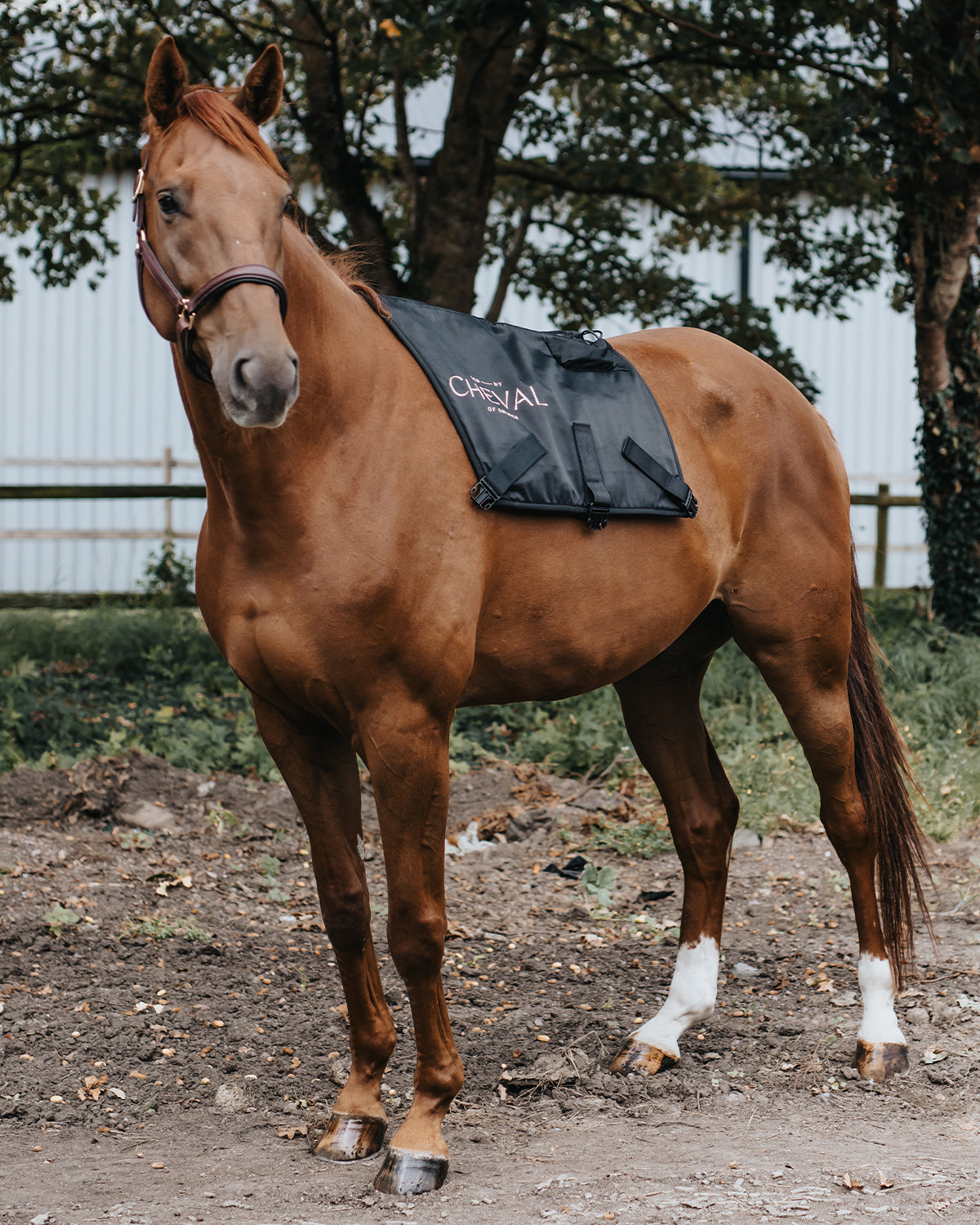
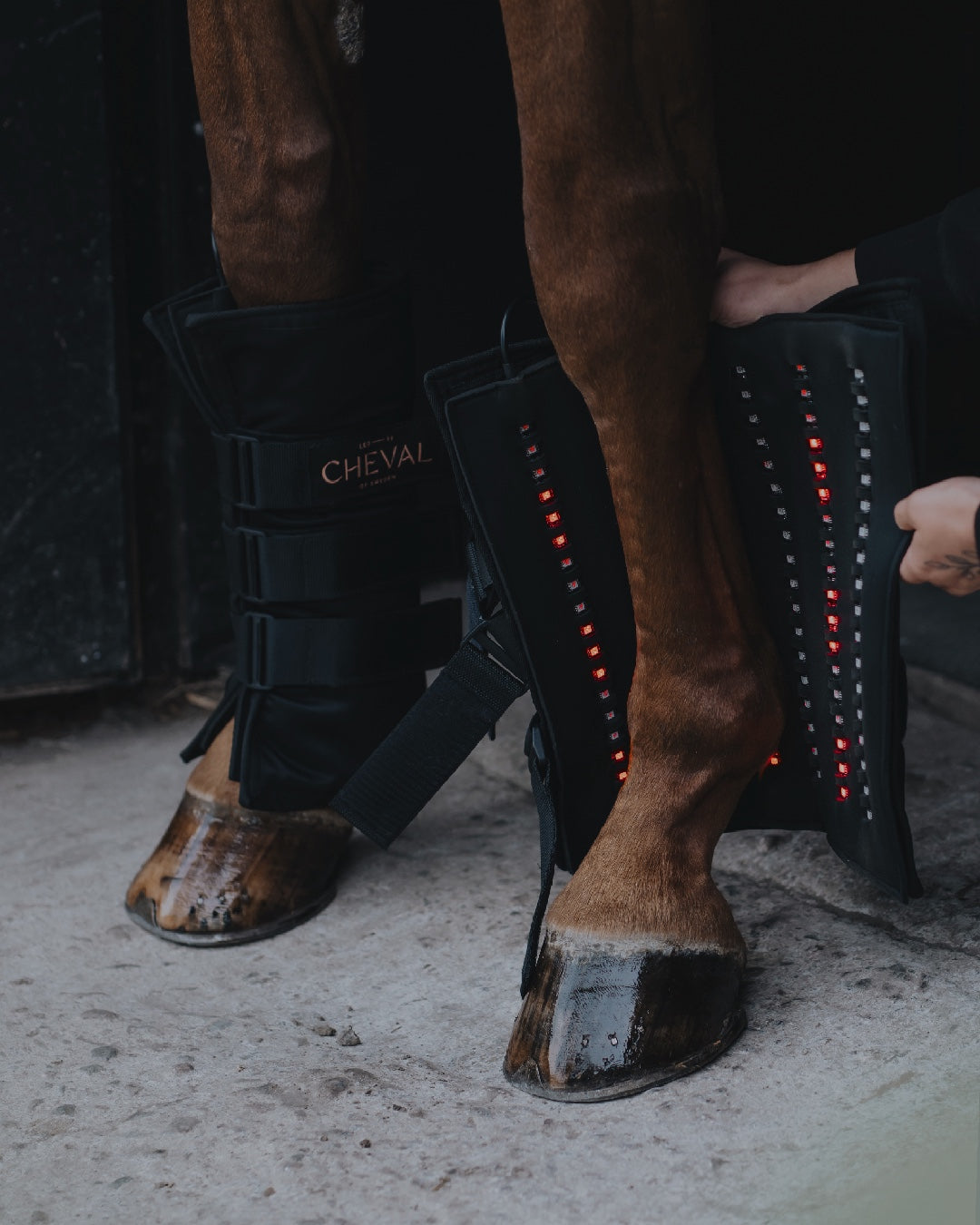
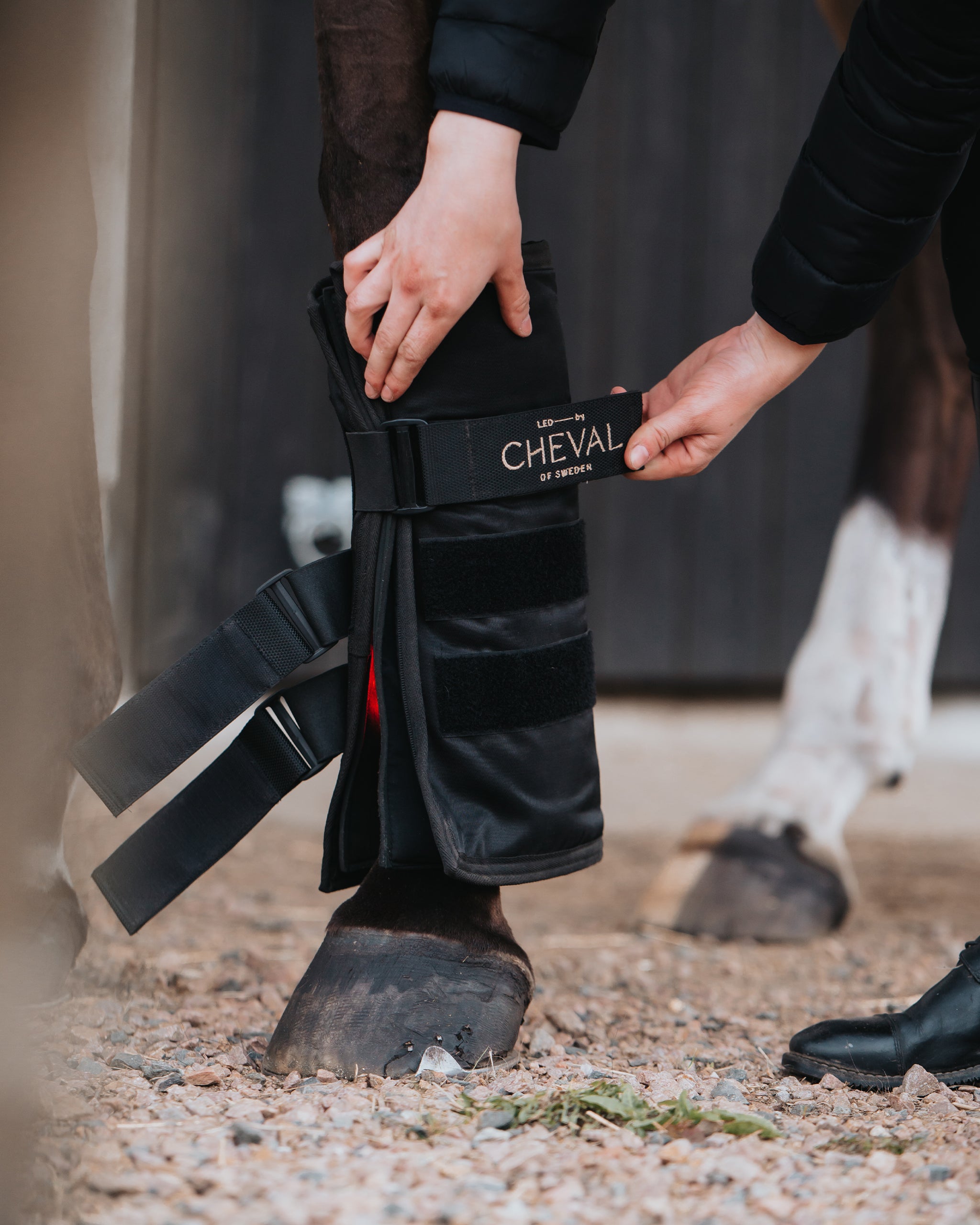
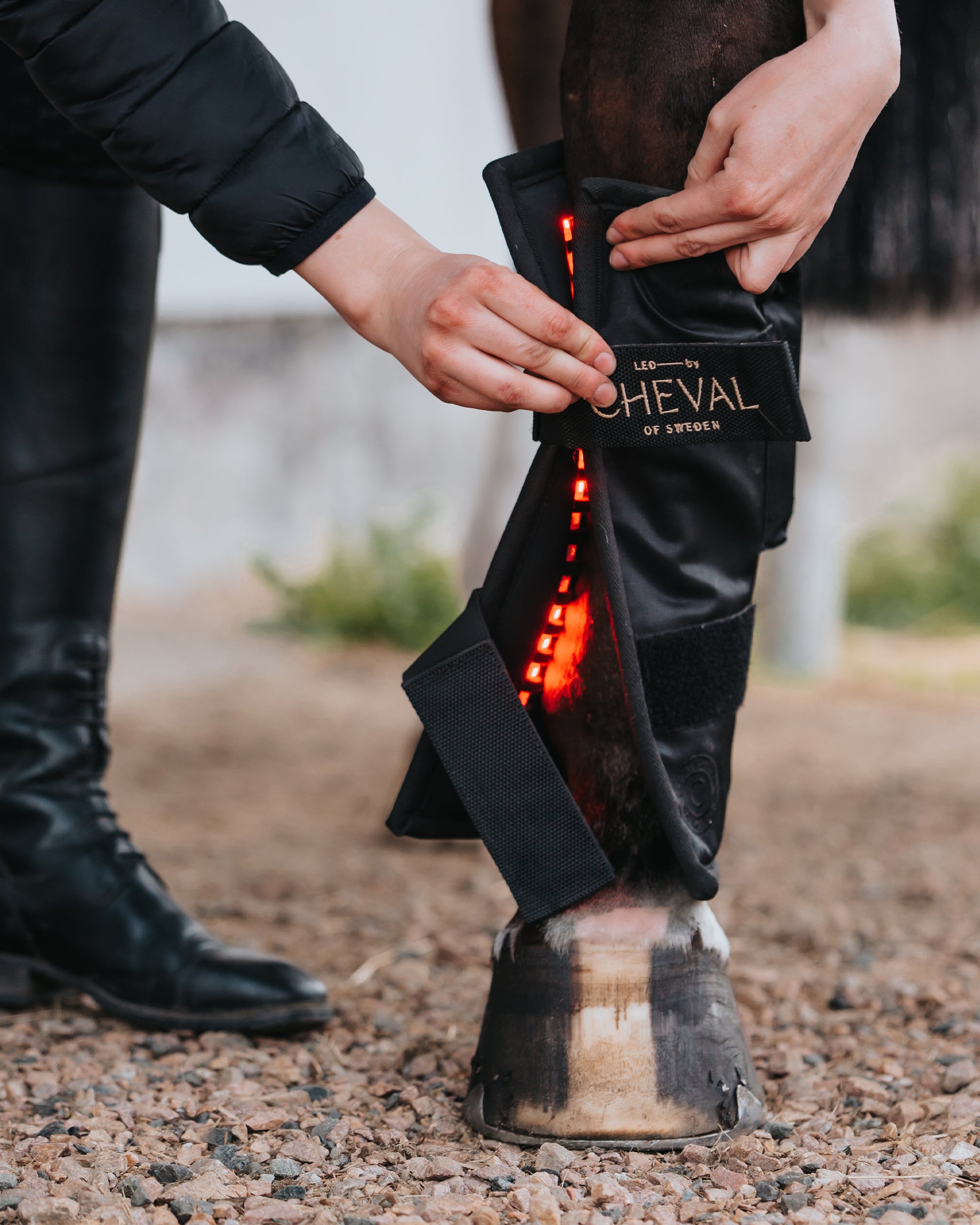
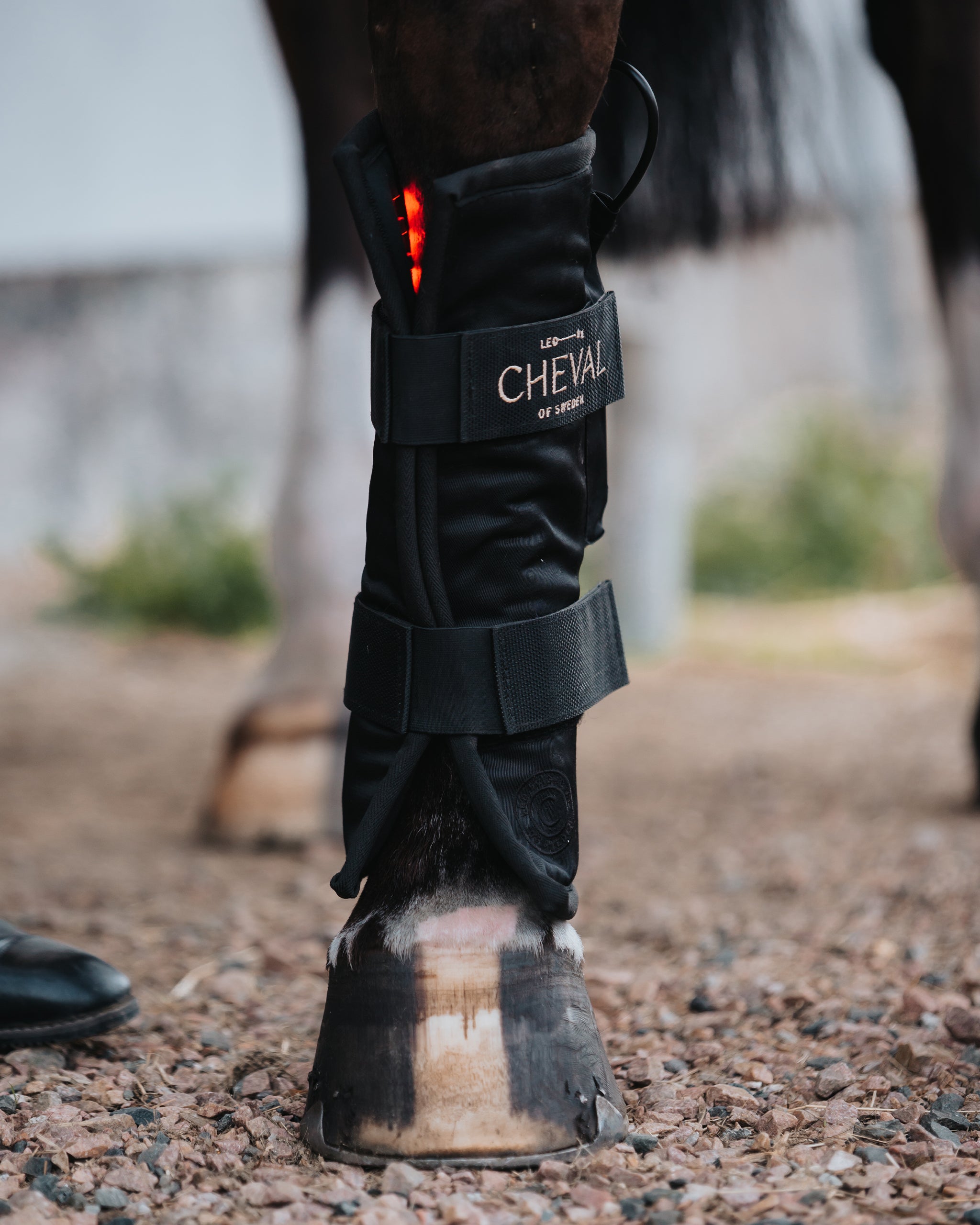
LED by CHEVAL systems are developed for structured use in equine care.
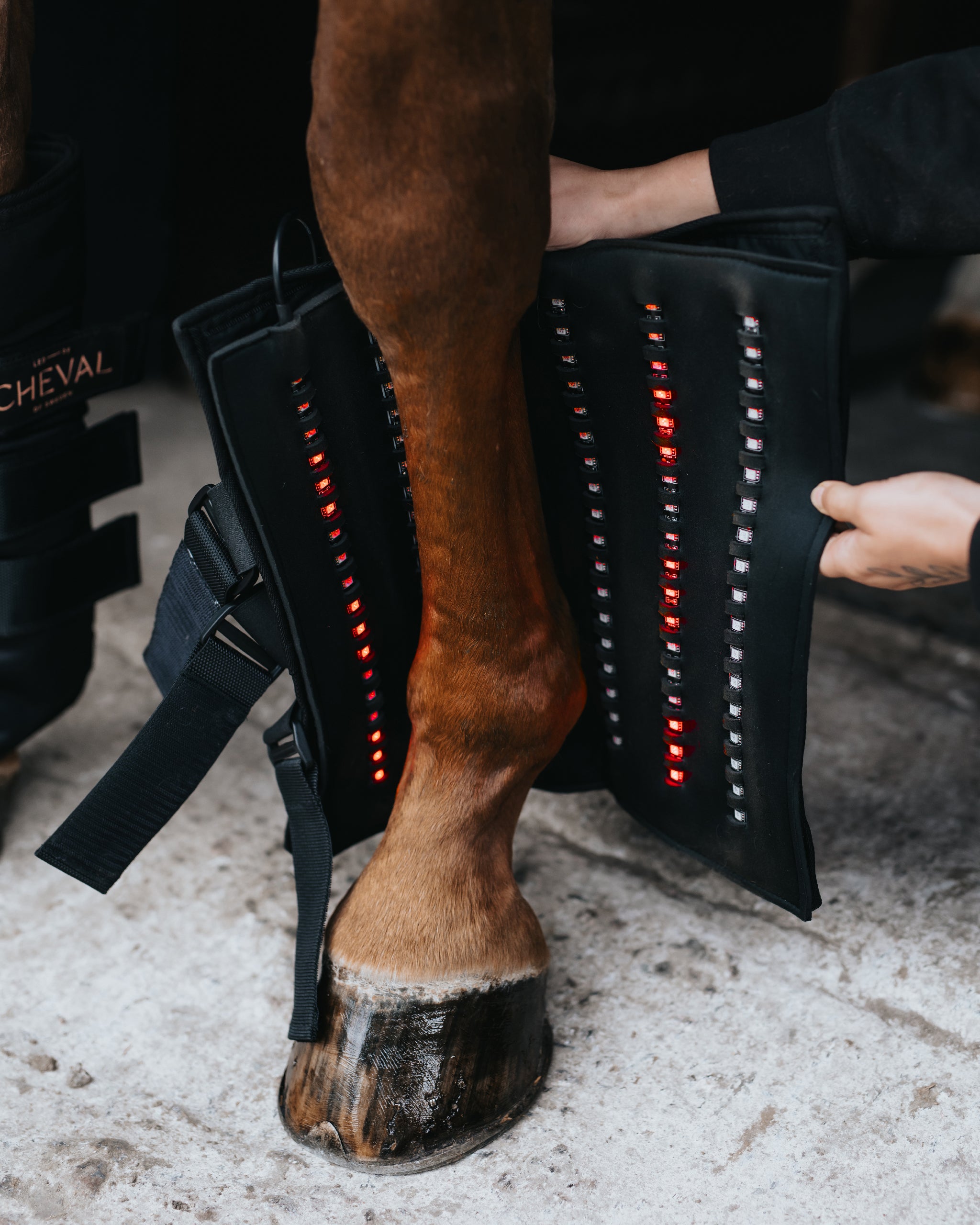
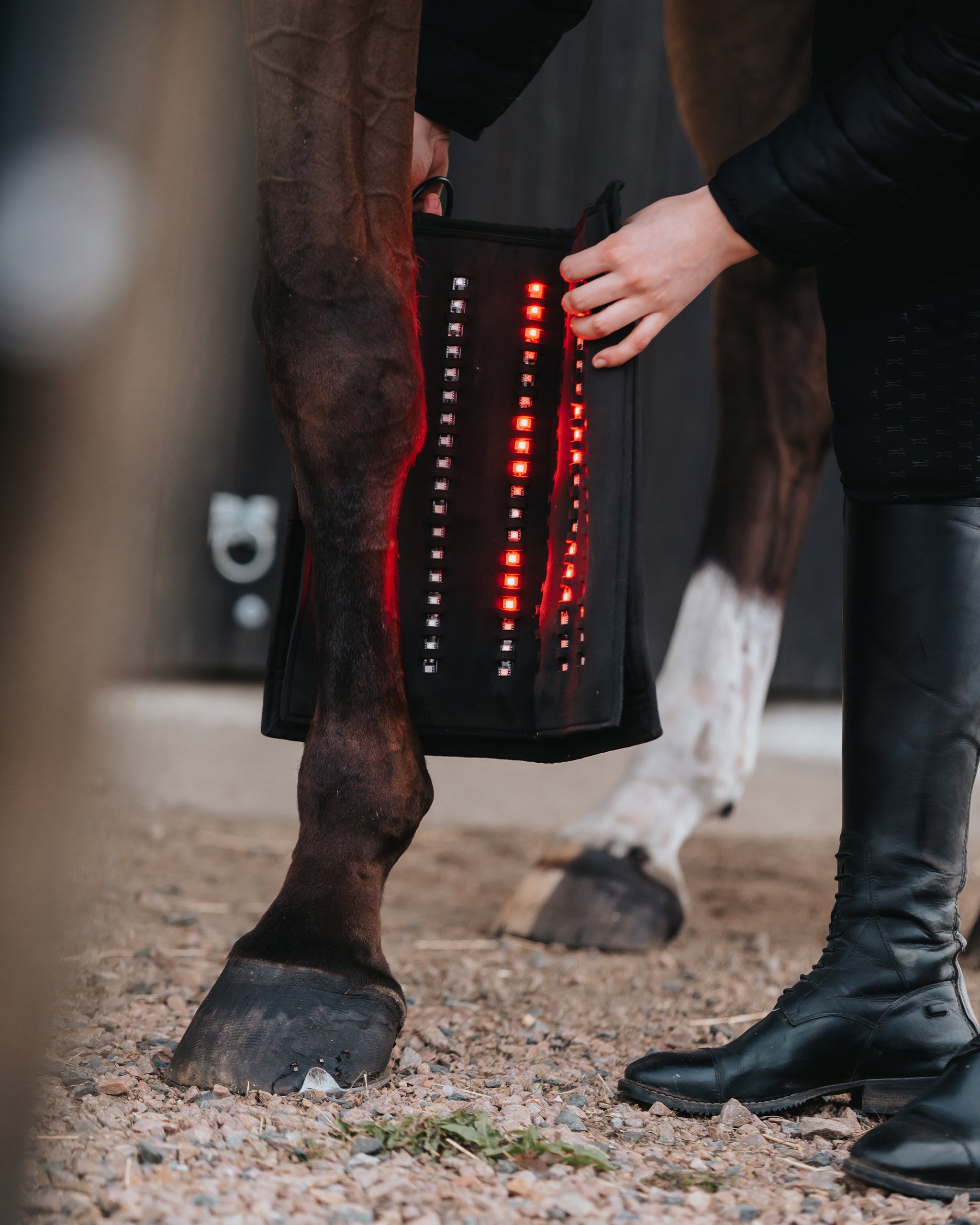
They use four selected wavelengths: 660 and 670 nm, 730 nm, 810 nm and 850 nm. These wavelengths are chosen based on their ability to interact with biological tissue at different depths.
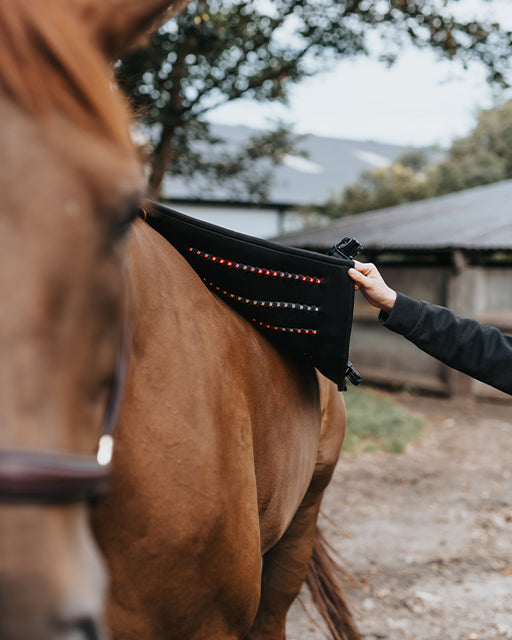
The systems are designed for practical daily use and can be applied to areas such as tendons, joints and musculature.
Frequently asked questions
Recovery time varies depending on severity and rehabilitation. Some injuries improve within weeks, while others require several months of structured management.
Tendon tissue can regain function, but the repaired structure is not always identical to the original. This is why gradual loading and long-term management are important.
Yes. LED treatment is non invasive and designed for consistent use. Many professionals integrate it into daily care, performance management and rehabilitation programs.
No system can guarantee prevention. Tendon injuries occur when mechanical load exceeds the tissue’s capacity.
However, maintaining tissue quality, supporting circulation and regulating inflammatory responses are important factors in long term durability.
LED treatment stimulates cellular processes involved in collagen turnover and tissue maintenance. When integrated into regular training routines, it can support tissue resilience and help manage accumulated strain over time.
We build our treatment systems around biological relevance and real stable conditions.
Each system uses four carefully selected red and infrared wavelengths within the optical window. Every second row emits infrared light to ensure deeper tissue reach. No blue light. No unnecessary wavelengths. Only wavelengths selected for its documented relevance in tissue repair.
But technology alone is not enough.
Our systems are engineered for daily use in demanding stable environments. They are built to withstand dust, moisture and impact. If dropped in dirty stable water or stepped on by a horse, they are designed to continue functioning.
This combination of targeted wavelengths and durable construction sets our systems apart. You get advanced light technology in a format built for real world equine use.
Blue light primarily affects the superficial surface of the skin. It does not reach the depth where tendons and ligaments are located.
Our systems use exclusively red and infrared wavelengths within the optical window. These wavelengths penetrate further into biological tissue to support cellular energy production, collagen synthesis and circulation.